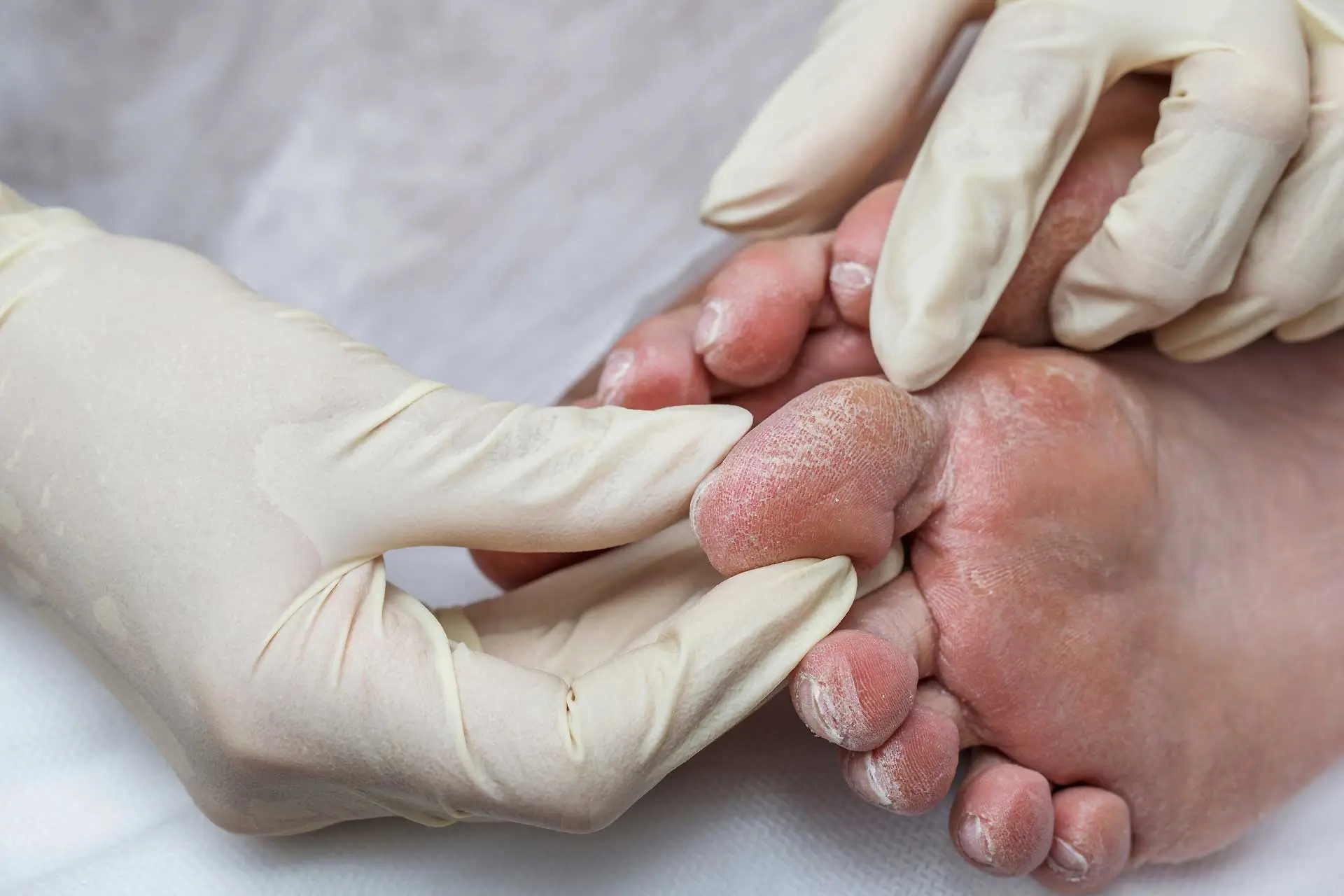
The Importance of Diabetic Foot Care

The Importance of Diabetic Foot Care

Diabetic Foot Care

Diabetes can affect many parts of the body, and the feet are one of the most commonly impacted. Changes in circulation and sensation can make it harder to notice injuries, and small problems can take longer to heal if they are not treated early.

Diabetic foot care focuses on preventing these issues before they become serious. With regular checks and the right care, many complications can be avoided.

Reduced blood flow and nerve damage can increase the chance of infections, ulcers, and ongoing foot pain. This is why podiatry care is an important part of diabetes management, even when your feet feel fine.

Our goal is to help you understand what to look for, how to care for your feet day to day, and when to seek professional support. With early care and ongoing monitoring, foot problems can often be identified and managed before they affect your comfort, mobility, or quality of life.

At East Gosford Podiatry, we support people living with diabetes by helping them monitor foot health, manage existing concerns, and reduce the risk of future problems.

How Diabetes Affects Your Feet

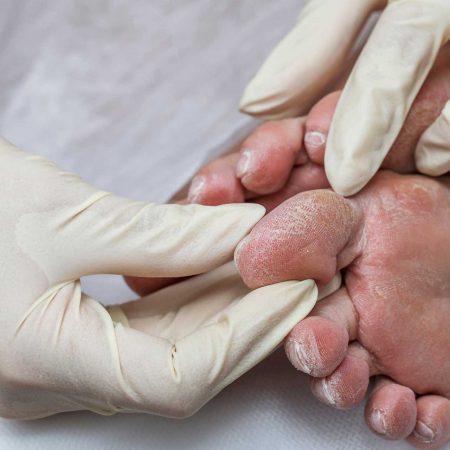
Diabetes commonly affects the feet in two key ways: nerve damage and reduced blood flow.

Nerve damage can reduce sensation, making it harder to notice cuts, blisters, pressure areas, or injuries. Reduced blood flow can slow healing, increasing the risk of infection and ulcers. When these issues occur together, even small problems can become more serious if left untreated.

This is why regular foot checks are an important part of diabetes management.

Why Diabetic Foot Care Matters

Without ongoing care, foot infections and ulcers can develop quickly and may be difficult to heal. In severe cases, untreated complications can lead to hospitalisation or surgery.

Regular podiatry care helps identify changes early, manage risk factors, and address problems before they progress. Early intervention often leads to better outcomes and helps maintain comfort, mobility, and independence.


Our Approach to Diabetic Foot Care

At East Gosford Podiatry, we take a proactive and preventative approach. Through regular assessments, we monitor foot health, identify early warning signs, and provide treatment tailored to each individual.

Education is a key part of our care. We help patients understand how diabetes affects their feet, what to look out for, and how to care for their feet day to day. By combining professional care with practical guidance, we aim to reduce complications and support long term foot health.

Choosing the Right Footwear

Wearing well fitting, supportive footwear is an important part of diabetic foot care. The right shoes can help reduce pressure, prevent injuries, and lower the risk of skin breakdown.

When choosing footwear, look for shoes that:

  • Fit comfortably without rubbing or squeezing
  • Provide good support and cushioning
  • Allow room for your toes to move freely
  • Are made from breathable materials
  • Have a smooth interior with no rough seams
  • Can be adjusted with laces, straps, or Velcro for swelling

Shoes that are worn out or no longer supportive should be replaced, as they can increase pressure on certain areas of the foot.

If you have existing foot problems, reduced sensation, or changes in foot shape, a podiatrist can help guide you on suitable footwear and let you know if specialised diabetic shoes are recommended.

By carefully selecting shoes that offer comfort, support, and protection, individuals with diabetes can take an important step towards preventing foot injuries and complications. Regular consultations with a podiatrist can also provide personalised recommendations tailored to your specific foot health needs.

Check out our range of Archies Thongs.

Diabetic-Foot-Care
Diabetic-Foot-Care

The Importance of Regular Foot Examinations

Regular foot examinations are an important part of managing diabetes. Changes in sensation and circulation can make it difficult to notice problems early, which is why professional checks play a key role in preventing complications.

Foot examinations help identify small issues before they develop into more serious concerns such as infections or ulcers.

Why Regular Foot Checks Matter

Routine podiatry visits allow early detection of common foot problems, including cuts, blisters, skin changes, and infections that may go unnoticed.

During an examination, circulation and nerve function are assessed to monitor any changes that may increase risk. Regular check ups also help track existing foot conditions and ensure treatment plans remain effective.

Podiatrists can also provide personalised advice on foot care, footwear, and when further medical attention may be needed.

How Often Should Feet Be Checked?

For most people living with diabetes, a professional foot examination is recommended at least once a year. More frequent visits may be advised if you have a history of foot problems, reduced sensation, or circulation issues.

Daily self checks at home are also important. Looking for cuts, redness, swelling, or changes in skin condition can help catch problems early.

What Happens During a Diabetic Foot Examination?

A diabetic foot examination typically includes:

  • Checking the skin for cuts, blisters, sores, or signs of infection
  • Assessing sensation to identify nerve changes
  • Checking circulation in the feet
  • Reviewing foot structure and pressure areas
  • Assessing skin and nail health

These regular assessments, combined with daily self checks, help reduce the risk of complications and support long term foot health.

Tips for Healthy Feet

Good daily foot care plays an important role in managing diabetes. Simple habits can help protect your feet and reduce the risk of complications.

Check Your Feet Daily

Look over your feet each day for cuts, redness, swelling, blisters, or changes to the skin or nails. If it is difficult to see the bottom of your feet, use a mirror or ask someone to help.

Keep Feet Clean and Dry

Wash your feet daily in warm water and dry them thoroughly, especially between the toes. Avoid soaking your feet, as this can lead to skin breakdown.

Apply moisturiser to keep skin soft, but avoid applying it between the toes.

Wear Protective Footwear

Avoid walking barefoot, even indoors. Wear comfortable shoes and clean socks, and check inside your shoes before putting them on to make sure there is nothing that could rub or cause injury.

Choose shoes that fit well and provide support. New shoes should be worn in gradually to reduce the risk of blisters.


Care for Nails and Skin Safely

Trim toenails straight across and file the edges. If you find nail care difficult, a podiatrist can safely manage this for you.

Do not attempt to treat corns or calluses yourself. Over the counter treatments can damage the skin and increase the risk of infection.

Keep Blood Flow Moving

When sitting, elevate your feet where possible and move your toes and ankles regularly to help maintain circulation.

Stay Active and Ask for Advice

Choose activities that are gentle on the feet, such as walking or swimming. If you notice changes or have concerns about your feet, seek advice from your podiatrist or doctor as early as possible.

Advanced Diabetic Foot Care

In addition to daily foot care and regular check ups, some people may benefit from more tailored strategies to support long term foot health. These approaches can help improve comfort, reduce pressure, and lower the risk of complications.

Strength and Movement

Keeping the feet and ankles moving can help support balance, circulation, and overall foot function. Simple exercises such as gentle toe movements or ankle rotations can be incorporated into daily routines and may help maintain strength and flexibility.

Your podiatrist can recommend suitable exercises based on your individual needs and mobility.

Nutrition and Foot Health

Good nutrition supports blood sugar control and circulation, both of which play an important role in foot health. A balanced diet that supports overall diabetes management can also help reduce inflammation and support healing.

While no specific diet is required for foot care alone, maintaining stable blood sugar levels is one of the most important ways to protect foot health.

Custom Orthotics

Custom orthotics are shoe inserts designed to support your feet and reduce pressure on vulnerable areas. They can help improve how weight is distributed across the feet, reduce discomfort, and lower the risk of skin breakdown.

Orthotics may be recommended for people with foot deformities, changes in foot structure, or ongoing pressure related issues.

Seasonal Foot Care

Foot care needs can change throughout the year. Warmer weather may require breathable footwear, while colder months may call for extra protection and warmth.

Your podiatrist can provide guidance on adjusting foot care and footwear as the seasons change to help keep your feet protected year round.

Preventing Diabetic Foot Complications

Preventing foot complications is an important part of managing diabetes. With a combination of good daily habits and regular professional care, many serious foot problems can be avoided.

What Helps Reduce Risk

Managing blood sugar levels plays a key role in protecting foot health. Poor control can affect nerves and circulation, increasing the risk of wounds and infection.

Wearing well fitting, supportive footwear helps reduce pressure and prevent blisters or skin breakdown. In some cases, custom orthotics may be recommended to provide additional support.

Regular movement supports circulation and overall health. Activities should be chosen carefully to avoid foot injury and discussed with your healthcare provider if needed.

Avoiding smoking is also important, as it can further reduce blood flow and delay healing.

Daily Foot Care Habits

Simple daily routines can make a big difference. This includes checking your feet each day for cuts, redness, swelling, or skin changes, even if you have reduced sensation.

Keeping feet clean and dry helps prevent infection. Moisturising can help protect the skin, but should be avoided between the toes.

If you notice any changes, pain, or signs of infection, it’s important to seek professional advice early.

The Role of Regular Podiatry Care

Regular podiatry appointments allow potential problems to be identified early and monitored over time. Annual foot checks are recommended for most people with diabetes, with more frequent visits advised if there is a history of foot problems or reduced sensation.

Professional care also provides an opportunity for personalised advice and adjustments to your care plan as your needs change.

Diabetic Foot Care Management at East Gosford Podiatry

At East Gosford Podiatry, we take a proactive approach to diabetic foot care. Our focus is on prevention, early detection, and practical management tailored to each individual.

We work with patients to develop care plans that support long term foot health and help reduce the risk of complications. Regular assessments, education, and early intervention all play a role in maintaining comfort, mobility, and quality of life.

If you are living with diabetes and want to take a proactive step in protecting your feet, our team is here to help.

We Accept Patients from all over the Central Coast

If you are in East Gosford and surrounding suburbs and are in need of a Podiatry appointment due to lower limb or feet issues you may need orthotics. Please contact our clinic on (02) 4325 0600

This field is for validation purposes and should be left unchanged.
(02) 4325 0600