
Flat Feet (Pes Planus)

Flat Feet (Pes Planus)

What is Flat Feet (Pes Planus)?

Flat feet, or pes planus, occur when the arch of the foot collapses, causing the entire sole to make contact with the ground. This condition can be present from birth or develop over time due to factors such as injury, aging, or medical conditions.

While some individuals with flat feet experience no symptoms, others may develop foot pain, overpronation (excessive inward rolling of the foot), and increased strain on the ankles, knees, and lower back. These issues can lead to discomfort, fatigue, and altered walking mechanics, particularly after prolonged standing or physical activity.


Causes of Flat Feet

Flat feet can be congenital (present from birth) or acquired (developing over time due to external factors or medical conditions). The underlying causes vary, but they all contribute to a loss of arch support and structural instability in the foot.

Congenital Flat Feet

  • Some individuals are born with naturally low or absent arches due to hereditary factors.
  • In infants and young children, flat feet are common as the arches are still developing. While many children naturally develop arches as they grow, some retain a flat-footed structure into adulthood.
  • Congenital flat feet may be flexible, meaning the arch appears when the foot is lifted but flattens when weight-bearing, or rigid, where the arch remains collapsed in all positions.

Acquired Flat Feet

Flat feet can develop over time due to factors that weaken the foot’s arch support structures, including:

  • Aging – The tendons and ligaments supporting the arch weaken with age, leading to progressive flattening of the foot.
  • Foot or ankle injuries – Fractures, sprains, or tendon damage (especially to the posterior tibial tendon) can contribute to arch collapse.
  • Overuse and repetitive strain – Prolonged standing, high-impact activities, and excessive walking or running on hard surfaces can place stress on the arches.


Medical Conditions Linked to Flat Feet

Certain medical conditions can contribute to the development of flat feet (fallen arches), including:

  • Arthritis – Inflammatory conditions such as rheumatoid arthritis can cause joint and ligament damage, leading to arch collapse.
  • Diabetes – Nerve damage (neuropathy) associated with diabetes can weaken foot muscles and reduce arch support. If you have diabetes and are experiencing symptoms of flat feet, book an appointment for a diabetes assessment today.
  • Obesity – Excess body weight increases strain on the foot’s arch, leading to gradual flattening over time.
  • Muscle and nerve disorders – Conditions such as cerebral palsy and muscular dystrophy can affect muscle strength and foot posture, leading to flat feet.
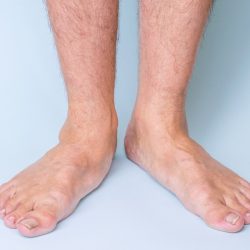
Flat-foot-2

What Syndrome Causes Flat Feet?

Flat feet can sometimes be linked to genetic syndromes or medical conditions that affect connective tissue, muscle function, or neurological control. Some of the most common syndromes associated with flat feet include:

What Syndrome Causes Flat Feet?

Flat feet can sometimes be linked to genetic syndromes or medical conditions that affect connective tissue, muscle function, or neurological control. Some of the most common syndromes associated with flat feet include:

  • A connective tissue disorder that affects the body’s ligaments, leading to loose, flexible joints and weakened arch support.
  • People with Marfan syndrome often experience hypermobile (overly flexible) flat feet, which can contribute to foot fatigue and instability.
  • A group of disorders affecting collagen production, leading to joint hypermobility, weakened ligaments, and poor structural support in the feet.
  • Individuals with EDS often develop persistent flat feet due to lax connective tissue that fails to maintain a normal arch.
  • A progressive condition where the posterior tibial tendon, responsible for supporting the foot’s arch, weakens or tears over time.
  • PTTD is a common cause of adult-acquired flat feet, leading to pain, swelling, and gradual arch collapse.
  • If left untreated, the condition can worsen, resulting in rigid flat feet and difficulty walking.
  • Individuals with Down syndrome often have low muscle tone (hypotonia) and loose ligaments, making them more prone to flat feet and overpronation.
  • This can contribute to difficulties with balance, coordination, and overall foot function.
  • Cerebral Palsy – Neurological impairments affecting muscle tone and coordination can lead to structural foot deformities, including flat feet.
  • Charcot-Marie-Tooth Disease – A progressive nerve disorder that affects muscle control in the feet, potentially causing arch collapse.

While flat feet caused by genetic syndromes cannot always be fully corrected, supportive treatments such as orthotics, bracing, and strengthening exercises can help improve comfort and mobility.

Symptoms & When to Seek Treatment

Not everyone with flat feet experiences symptoms, but when they do occur, they can affect daily movement and overall foot health. Symptoms vary depending on the severity of the condition and whether it is flexible or rigid flat feet.

Common Symptoms of Flat Feet

  • Foot pain – Often felt in the arch, heel, or along the inside of the ankle. Pain may worsen with prolonged standing or physical activity.
  • Overpronation – The feet roll excessively inward while walking, which can lead to alignment issues in the ankles, knees, hips, and lower back.
  • Fatigue or discomfort – Aches and tiredness in the feet and legs, particularly after walking or standing for long periods.
  • Swelling – Inflammation or discomfort along the inside of the ankle or lower leg.
  • Reduced mobility – Stiffness in the foot, making it harder to walk, run, or participate in high-impact activities.

When to Seek Treatment

While some cases of flat feet do not require intervention, professional assessment is recommended if:

  • Foot pain or discomfort affects daily activities.
  • There is noticeable swelling or inflammation in the feet or ankles.
  • You experience balance issues, instability, or frequent falls.
  • Flat feet are causing knee, hip, or lower back pain due to misalignment.
  • The condition is worsening over time or affecting posture.

Early intervention is key to preventing complications and maintaining optimal foot function. At East Gosford Podiatry, we offer a range of treatment options, from conservative approaches such as orthotics, footwear modifications, and referrals to physiotherapy, to recommending surgical intervention for severe cases where further specialist care is required.

Treatment & Management Options

The treatment approach for flat feet depends on severity, symptoms, and impact on daily activities. While some individuals may not require treatment, others may benefit from targeted interventions to manage discomfort and improve foot function.

Conservative Treatment Options

Most cases of flat feet can be managed with non-surgical treatments, which aim to reduce pain, improve stability, and support the foot’s natural alignment. These include:

  • Orthotic Devices – Custom insoles provide additional arch support, reduce strain, and help correct foot positioning.
  • Strengthening Exercises – Targeted exercises improve muscle function and stability, helping to minimise overpronation.
  • Physical Therapy – Stretching and strengthening routines can enhance mobility and correct gait imbalances.
  • Supportive Footwear – Properly fitted shoes with firm arch support, a deep heel cup, and shock absorption can help manage symptoms.
  • Bracing or Taping – In cases where additional support is needed, foot bracing or taping techniques can assist in maintaining proper foot posture.

Surgical Considerations

Surgery is only considered in severe or progressive cases where conservative treatments fail, and the condition significantly impacts mobility or causes persistent pain. Possible surgical procedures may include:

  • Tendon Reconstruction – Repairing or reinforcing the posterior tibial tendon to restore arch support.
  • Osteotomy – Realigning bones to improve foot posture.
  • Joint Fusion (Arthrodesis) – Used in cases of rigid flat feet where joint deformities contribute to pain and dysfunction.

For most individuals, early intervention and proper management can prevent the need for surgical intervention and ensure long-term foot health.

When to See a Podiatrist

While some people with flat feet experience little to no discomfort, others may develop pain, instability, and mobility issues that require professional assessment. Seeking early treatment can help prevent complications and improve long-term foot function.

Signs You Should See a Podiatrist

You should consider booking an appointment if you experience:

  • Persistent foot or ankle pain that affects daily activities.
  • Swelling or inflammation along the inside of the foot or ankle.
  • Difficulty walking or standing for long periods due to discomfort.
  • Changes in foot shape or worsening flatness over time.
  • Pain spreading to the knees, hips, or lower back, often caused by poor foot alignment.

At East Gosford Podiatry, we provide comprehensive assessments to determine the best treatment plan for managing flat feet. Our team offers custom orthotics, footwear advice, strengthening exercises, and referrals for physiotherapy or specialist care if needed.

Don’t let foot pain impact your daily life. Book an appointment with us today for a professional assessment and personalised treatment plan.
Book Online Here

We Accept Patients from all over the Central Coast

If you are in East Gosford and surrounding suburbs and are in need of a Podiatry appointment due to lower limb or feet issues you may need orthotics. Please contact our clinic on (02) 4325 0600

This field is for validation purposes and should be left unchanged.
(02) 4325 0600