High Arches (Cavus Foot)

High Arches (Cavus Foot)

What are High Arches (Cavus Foot)

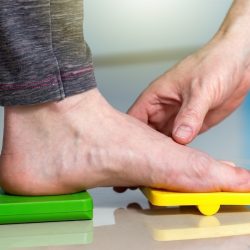
High arches, also known as cavus foot, occur when the arch of the foot is excessively raised, causing the heel and forefoot to bear most of the body’s weight. This uneven pressure distribution can lead to discomfort, instability, and an increased risk of injuries such as ankle sprains.

People with high arches may experience foot pain, balance difficulties, calluses, and toe deformities due to the lack of natural shock absorption. The condition can affect one or both feet and may gradually worsen over time if left unmanaged.

Cavus foot can be caused by neurological conditions, genetic factors, or muscle imbalances. Conditions such as Charcot-Marie-Tooth disease, cerebral palsy, and muscular dystrophy can contribute to progressive arch rigidity, while in other cases, it may be an inherited structural trait. Identifying the underlying cause is important for determining the best treatment approach.

Causes of High Arches

High arches (cavus foot) can develop due to a variety of underlying causes, ranging from hereditary factors to neuromuscular conditions and past injuries. Understanding the cause is essential for determining the most effective treatment.

Genetic Factors

  • Some individuals are born with naturally high arches due to inherited foot structure.
  • In these cases, the condition may not worsen significantly over time but can still lead to pain, instability, and difficulty finding comfortable footwear.

Neuromuscular Conditions

High arches are often associated with underlying neurological disorders that affect muscle control and foot structure, including:

  • Charcot-Marie-Tooth disease (CMT) – A progressive nerve disorder that weakens foot muscles, leading to an exaggerated arch and curled toes (claw toes).
  • Cerebral palsy – Causes muscle imbalances and spasticity, which can contribute to high arches and foot rigidity.
  • Muscular dystrophy – A group of genetic disorders causing progressive muscle weakness, sometimes leading to cavus foot as the muscles supporting the arch deteriorate.

Injury-Related Causes

  • Past foot or ankle trauma, such as fractures or ligament damage, can disrupt foot mechanics and lead to abnormal arch height.
  • Nerve injuries, particularly those affecting the peroneal nerve, may cause muscle imbalances that result in high arches.

Other Contributing Factors

  • Muscle weakness or imbalance – If certain foot and leg muscles weaken while others remain overactive, it can pull the foot into a high-arched position.
  • Peripheral neuropathy – Nerve dysfunction affecting sensation and muscle control in the feet can contribute to abnormal foot posture.

Since high arches can be a progressive condition, especially in cases linked to neurological disorders, early assessment and treatment are important to prevent worsening symptoms and complications.

feet3

Symptoms & Complications of High Arches

High arches can cause a range of symptoms depending on severity and underlying causes. While some individuals experience minimal discomfort, others may develop pain, instability, and foot deformities that worsen over time. Early management is essential to reduce symptoms and prevent complications. Addressing pain, instability, and foot posture through supportive treatments can significantly improve comfort and mobility.

Symptoms Include:

Pain and Discomfort

  • Excessive arch height causes uneven weight distribution, placing excessive pressure on the heel and ball of the foot.
  • Pain may be persistent, especially during walking, running, or standing for long periods.
  • People with cavus foot often develop metatarsalgia (pain in the ball of the foot) due to increased forefoot loading.

Instability and Balance Issues

  • High arches reduce the foot’s natural shock absorption, leading to stiffness and reduced flexibility.
  • Many individuals with cavus foot tend to supinate (roll outward) while walking, increasing the risk of ankle sprains and falls.
  • Balance may be affected, particularly in cases linked to neurological conditions.

Toe Deformities

  • The rigidity of the foot arch can cause toe contractures, leading to conditions such as:
    • Claw toes – The toes curl downward due to muscle imbalances.
    • Hammertoes – A bending deformity at the toe joints.
  • These deformities can cause further discomfort and make it difficult to wear standard footwear.

Calluses and Pressure Sores

  • Due to uneven pressure distribution, people with high arches are more prone to thick calluses and pressure sores on the heel, forefoot, and outer edges of the foot.
  • In severe cases, these pressure points can lead to skin breakdown, corns, or ulceration, particularly in individuals with diabetes or neuropathy.

What is the Best Treatment for High Arches?

How Podiatrists Treat Cavus Foot

The goal of treatment for high arches is to improve comfort, reduce excessive pressure on the foot, and enhance stability. While some cases can be managed with conservative treatments, severe or progressive cases may require surgical intervention.

Conservative Treatment Options

Most individuals with high arches benefit from non-surgical treatments that help redistribute pressure, correct foot mechanics, and reduce strain on the joints.

  • Custom Orthotics
    • Specially designed insoles provide arch support and cushioning to relieve pressure on the ball and heel of the foot.
    • Helps improve foot alignment and reduce excessive outward rolling (supination).
  • Supportive Footwear
    • Shoes with good arch support, extra depth, and a cushioned sole can help distribute weight more evenly.
      High-top or stabilising shoes may reduce ankle instability and prevent sprains.
  • Physiotherapy and Strengthening Exercises
    • Targeted exercises can help strengthen foot and lower leg muscles, improving stability and reducing strain.
    • Stretching tight muscles, particularly the calf and plantar fascia, can enhance flexibility and mobility.
  • Bracing for Severe Instability
    • Ankle braces or AFOs (ankle-foot orthoses) may be used in cases where severe instability or neuromuscular conditions affect foot control.
    • These braces limit excessive supination and provide additional stability for walking.

Surgical Options (For Severe Cases)

If conservative treatments do not provide relief, or if the condition worsens over time, surgical intervention may be required. Surgical procedures depend on the severity of the deformity and underlying causes:

  • Tendon Releases or Transfers – To correct muscle imbalances and reduce stiffness.
  • Osteotomies (Bone Realignment Surgery) – Adjusting the foot’s structure to improve weight distribution.
  • Joint Stabilisation or Fusion – Used in cases of extreme rigidity or arthritis-related complications.

Surgery is generally considered a last resort and is only recommended when high arches cause persistent pain, mobility issues, or recurrent injuries that cannot be managed with conservative methods.

Early intervention and proper treatment can prevent complications and improve long-term foot health.

Does Cavus Foot Get Worse with Age?

The progression of high arches (cavus foot) depends on its underlying cause. In some cases, particularly when it is genetic with no neuromuscular involvement, the foot structure may remain stable throughout life. However, in other cases, particularly those linked to neurological disorders or muscle imbalances, the condition can worsen over time.

How High Arches May Progress

  • Neuromuscular Conditions – Progressive disorders such as Charcot-Marie-Tooth disease or muscular dystrophy can cause worsening muscle weakness, leading to increased foot rigidity, toe deformities, and instability.
  • Increased Pain and Stiffness – Over time, the lack of shock absorption in high-arched feet can result in joint strain, chronic foot pain, and reduced mobility.
  • Foot Deformities – Conditions such as claw toes and hammertoes may worsen, making it harder to find comfortable footwear and increasing pressure-related pain.
  • Greater Risk of Ankle Injuries – As ligaments and tendons weaken, people with cavus foot may experience frequent ankle sprains or instability, specially if the foot continues to roll outward (supination).

Importance of Early Intervention

Managing high arches early with supportive footwear, orthotics, and strengthening exercises can prevent deterioration and help maintain mobility. If symptoms worsen over time, professional assessment is essential to adjust treatment and prevent long-term complications.

What Do Orthotics Do for High Arches?

Orthotics play a key role in reducing discomfort and improving foot function for people with high arches. Since cavus foot places excess pressure on the heel and forefoot, orthotics are designed to redistribute weight and provide additional support.

Benefits of Orthotics for High Arches

  • Redistribute Pressure – Custom insoles help spread weight evenly across the foot, reducing painful pressure points on the ball and heel.
  • Improve Stability – High arches can cause excessive supination, where the foot rolls outward. Orthotics help correct this imbalance, reducing the risk of ankle sprains and falls.
  • Provide Cushioning – Lack of natural shock absorption in high-arched feet can lead to joint strain and discomfort. Orthotics offer extra padding to absorb impact.

Custom vs. Over-the-Counter Orthotics

  • Custom Orthotics – Designed specifically for an individual’s foot structure, they offer the best support and correction for high arches.
  • Over-the-Counter Insoles – May provide some relief but often lack the precision and durability required for long-term management of cavus foot.

For optimal support and long-term symptom relief, a podiatrist can prescribe custom orthotics tailored to the specific needs of each patient.

When to See a Podiatrist

Seeking professional assessment is recommended if high arches are causing persistent pain, instability, or difficulty finding suitable footwear.

Signs That Professional Assessment is Needed

  • Ongoing foot or ankle pain that affects daily activities.
  • Frequent ankle sprains or balance issues due to foot instability.
  • Development of toe deformities such as claw toes or hammertoes.
  • Painful calluses or pressure sores from uneven weight distribution.
  • Difficulty finding comfortable shoes due to high arch height.

Why Early Diagnosis and Treatment Matter

Early intervention can prevent worsening symptoms and reduce the need for invasive treatments. A podiatrist can provide:

  • Comprehensive assessments to determine the severity of the condition.
  • Custom orthotics to support arch function and reduce pressure.
  • Treatment recommendations including footwear advice, exercises, and physiotherapy referrals if needed.

At East Gosford Podiatry, we offer expert care for high arches, helping patients find the best treatment solutions for their individual needs.

Book an Appointment Today

If you’re experiencing pain, instability, or other complications from high arches, we can help.
Book an appointment online to receive a professional assessment and personalised treatment plan.

We Accept Patients from all over the Central Coast

If you are in East Gosford and surrounding suburbs and are in need of a Podiatry appointment due to lower limb or feet issues you may need orthotics. Please contact our clinic on (02) 4325 0600

This field is for validation purposes and should be left unchanged.
(02) 4325 0600