Claw Toe

Claw Toe

What is Claw Toe?

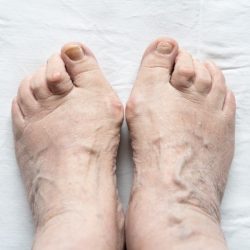
Claw toe is a foot deformity where one or more toes curl downward, resembling a claw. This condition occurs due to muscle imbalances that cause the toe joints to tighten, making it difficult to straighten the toes. Claw toes can affect any of the smaller toes and may start as a flexible deformity before becoming rigid over time.

This condition can lead to pain, difficulty walking, and problems wearing shoes, as the curled toes rub against footwear, increasing the risk of corns, calluses, and pressure sores. In more severe cases, claw toes can cause joint stiffness and foot instability, making everyday movement uncomfortable.

Treatment focuses on reducing discomfort, preventing worsening deformity, and improving mobility. Options include stretching exercises, orthotics, footwear adjustments, and in advanced cases, surgical correction to restore toe alignment.

What Causes Claw Toes?

Several factors contribute to the development of claw toes, with muscle imbalances and nerve-related conditions being the most common causes.

Muscle Imbalance

  • Claw toes develop when the muscles that flex the toes become overactive while the muscles that extend the toes weaken.
  • This imbalance causes the toes to stay curled, leading to stiffness over time.

Neurological Conditions

  • Certain neurological disorders affect nerve control in the foot muscles, increasing the likelihood of claw toe formation. These include:
    • Charcot-Marie-Tooth disease (CMT) – A genetic disorder that weakens the muscles in the feet, leading to deformities.
    • Cerebral palsy – Can cause muscle contractions and spasticity, leading to toe deformities.
    • Stroke or nerve damage – May disrupt muscle function, causing claw toes to develop due to lack of control.

Tendon & Joint Problems

  • Tight tendons and ligament instability in the foot can pull the toes into a permanently curled position.
  • Over time, the toe joints may become stiff and rigid, making it difficult to straighten them.

Footwear-Related Causes

  • Wearing shoes that are too tight, narrow, or have high heels can force the toes into a bent position, leading to long-term structural changes.
  • Chronic pressure on the toes from poorly fitting footwear can worsen muscle imbalances and contribute to joint stiffness.

Underlying Conditions

  • Certain medical conditions can increase the risk of claw toes, including:
    • Rheumatoid arthritis – Causes joint damage and inflammation, leading to deformities.
    • Diabetes – Can result in nerve damage (neuropathy), reducing muscle control and increasing the risk of foot abnormalities.

Since claw toes tend to worsen over time, early intervention is essential to prevent stiffness, pain, and difficulty walking.

claw-1

Symptoms & Complications of Claw Toe

Claw toe can range from a mild, flexible deformity to a rigid and painful condition that affects daily movement. Symptoms worsen as the toe structure changes over time, leading to discomfort and difficulty finding suitable footwear.

Pain and Discomfort

  • Pain is often felt in the ball of the foot, where increased pressure causes irritation.
  • The tops of the curled toes may also become sore due to friction against shoes, leading to inflammation.

Toe Stiffness

  • Claw toe may begin as a flexible deformity, where the toes can still be manually straightened.
  • Over time, the muscles and tendons tighten, leading to a rigid claw toe, where the joints remain stuck in a curled position.

Calluses & Corns

  • Increased pressure and friction from footwear causes thickened skin (calluses) and corns to form on the tops and tips of the toes.
  • These can become painful and prone to ulceration, particularly in people with diabetes or poor circulation.

Difficulty Walking & Wearing Shoes

  • Shoes may rub against the curled toes, causing irritation and pressure points.
  • The abnormal toe position may make it difficult to walk comfortably, leading to balance issues and foot fatigue.
  • Over time, claw toes can contribute to altered gait mechanics, which may cause pain in the ankles, knees, or lower back.

What is the Difference Between a Hammertoe and a Claw Toe?

Although hammertoes and claw toes both cause abnormal toe bending, they affect different joints and have distinct causes.

Claw Toe

  • Affects multiple joints, causing the toes to bend at both the middle and end joints.
  • Often caused by neurological or muscular imbalances, leading to a progressive deformity.
  • Commonly linked to Charcot-Marie-Tooth disease, diabetes, or nerve damage.

Hammertoe

  • Affects only the middle joint, creating a hammer-like bend in the toe.
  • More often caused by tight shoes, bunions, or arthritis rather than nerve or muscle conditions.
  • Can usually be corrected in early stages with footwear changes and stretching.

Understanding the difference between these conditions is important for proper diagnosis and treatment. A podiatrist can assess toe flexibility, underlying causes, and severity to determine the best course of action.

How a Podiatrist Can Help with Claw Toe

Claw toes can worsen over time if left untreated, making early intervention essential to prevent stiffness, pain, and mobility issues. A podiatrist can assess the severity of the condition and recommend treatments to improve function, reduce discomfort, and slow progression.

Early Diagnosis & Monitoring

  • A podiatrist will examine toe flexibility to determine whether the deformity is still correctable or has become rigid.
  • Assess for neurological conditions or underlying issues (such as diabetes or nerve damage) that may be contributing to the muscle imbalance.
  • Identify pressure points and areas at risk of calluses, corns, or ulcers.

Stretching & Strengthening Exercises

  • Specific toe and foot exercises can help maintain flexibility and prevent claw toes from worsening.
  • Towel scrunches, toe lifts, and resistance band exercises target the intrinsic foot muscles to promote better toe alignment.

Orthotics & Footwear Modifications

  • Custom orthotic insoles help redistribute pressure and prevent excess strain on the toes.
  • Proper footwear recommendations, including shoes with a wide toe box, cushioned sole, and adjustable straps to prevent rubbing.

Toe Splints & Bracing

  • Soft toe splints, pads, or braces may be used to keep the toes in a more natural position.
  • Reduces discomfort and prevents progression to a rigid deformity.

Surgical Options (If Necessary)

  • If claw toes become fixed and painful, surgery may be considered to restore toe alignment.
  • Tendon release or lengthening procedures can help relax tight muscles and improve flexibility.
  • Joint fusion or toe realignment may be necessary in severe cases where deformity is impacting mobility.

When to See a Podiatrist

Seeking professional care is recommended if claw toes cause persistent pain or difficulty walking.

Signs That Require a Podiatry Assessment

  • Pain in the toes or ball of the foot that worsens with activity.
  • Difficulty wearing shoes due to rubbing or discomfort.
  • Calluses, corns, or ulcers forming due to excessive pressure.
  • Toes becoming stiff or locked in position, making them difficult to straighten.
  • Worsening deformity over time, affecting mobility and balance.

The Importance of Early Intervention

  • Claw toes are easier to treat in the early stages, before they become rigid and require surgical correction.
  • Addressing muscle imbalances, footwear issues, and pressure points can prevent complications.
  • A podiatrist can provide a personalised treatment plan to manage symptoms and prevent further progression.

Book an Appointment Today

If you’re experiencing discomfort or difficulty walking due to claw toes, early intervention is key.
Book an appointment online with our team at East Gosford Podiatry to get a professional assessment and tailored treatment plan for claw toe.

We Accept Patients from all over the Central Coast

If you are in East Gosford and surrounding suburbs and are in need of a Podiatry appointment due to lower limb or feet issues you may need orthotics. Please contact our clinic on (02) 4325 0600

This field is for validation purposes and should be left unchanged.
(02) 4325 0600