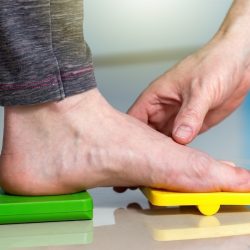
What are High Arches (Cavus Foot)
High arches, also known as cavus foot, occur when the arch of the foot is excessively raised, causing the heel and forefoot to bear most of the body’s weight. This uneven pressure distribution can lead to discomfort, instability, and an increased risk of injuries such as ankle sprains.
People with high arches may experience foot pain, balance difficulties, calluses, and toe deformities due to the lack of natural shock absorption. The condition can affect one or both feet and may gradually worsen over time if left unmanaged.
Cavus foot can be caused by neurological conditions, genetic factors, or muscle imbalances. Conditions such as Charcot-Marie-Tooth disease, cerebral palsy, and muscular dystrophy can contribute to progressive arch rigidity, while in other cases, it may be an inherited structural trait. Identifying the underlying cause is important for determining the best treatment approach.
Causes of High Arches
High arches (cavus foot) can develop due to a variety of underlying causes, ranging from hereditary factors to neuromuscular conditions and past injuries. Understanding the cause is essential for determining the most effective treatment.
Genetic Factors
- Some individuals are born with naturally high arches due to inherited foot structure.
- In these cases, the condition may not worsen significantly over time but can still lead to pain, instability, and difficulty finding comfortable footwear.
Neuromuscular Conditions
High arches are often associated with underlying neurological disorders that affect muscle control and foot structure, including:
- Charcot-Marie-Tooth disease (CMT) – A progressive nerve disorder that weakens foot muscles, leading to an exaggerated arch and curled toes (claw toes).
- Cerebral palsy – Causes muscle imbalances and spasticity, which can contribute to high arches and foot rigidity.
- Muscular dystrophy – A group of genetic disorders causing progressive muscle weakness, sometimes leading to cavus foot as the muscles supporting the arch deteriorate.
Injury-Related Causes
- Past foot or ankle trauma, such as fractures or ligament damage, can disrupt foot mechanics and lead to abnormal arch height.
- Nerve injuries, particularly those affecting the peroneal nerve, may cause muscle imbalances that result in high arches.
Other Contributing Factors
- Muscle weakness or imbalance – If certain foot and leg muscles weaken while others remain overactive, it can pull the foot into a high-arched position.
- Peripheral neuropathy – Nerve dysfunction affecting sensation and muscle control in the feet can contribute to abnormal foot posture.
Since high arches can be a progressive condition, especially in cases linked to neurological disorders, early assessment and treatment are important to prevent worsening symptoms and complications.