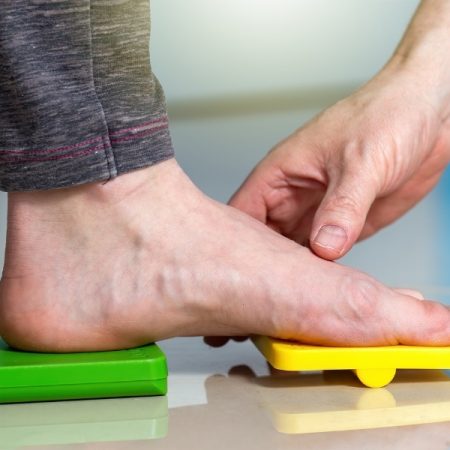
Structural Foot Deformities

Structural Foot Deformities

What is a Structural Foot Deformity?

A structural foot deformity occurs when the bones, joints, or soft tissues in the foot develop abnormally or become misaligned. These issues can be present from birth or develop over time due to injury, medical conditions, or excessive strain. Deformities can cause pain, instability, and difficulty walking, often requiring treatment to improve mobility and prevent complications.
At East Gosford Podiatry, we assess and manage a range of structural foot deformities, helping patients find the best treatment options to maintain comfort and mobility. Whether it’s through orthotics, footwear advice, or tailored care plans, we’re here to support your foot health.

Common Structural Foot Deformities

Flat Feet (Pes Planus)

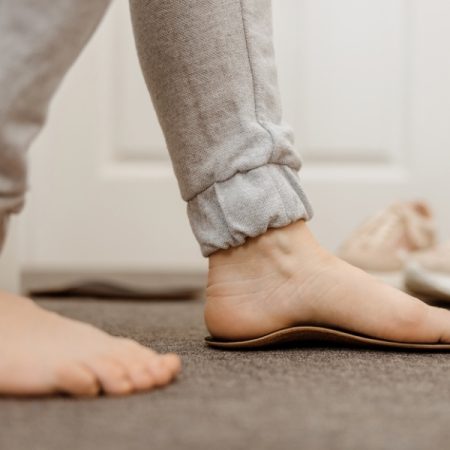
Flat feet occur when the arch collapses, causing the sole to make full contact with the ground. This can lead to pain, overpronation, and increased stress on the ankles and knees. Treatment options include orthotics, strengthening exercises, and supportive footwear.
Learn more about Flat Feet →

High Arches (Cavus Foot)

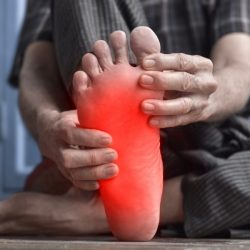
High arches place excessive pressure on the ball and heel of the foot, leading to pain, instability, and frequent ankle sprains. Causes range from neurological conditions to genetics. Orthotics, bracing, and footwear adjustments can help manage symptoms.
Learn more about High Arches →

Charcot Foot

Charcot foot is a serious condition often linked to diabetes and nerve damage, leading to weakened bones, fractures, and joint collapse. Early detection is crucial, with treatment focusing on immobilization, custom orthotics, and, in severe cases, surgery.
Learn more about Charcot Foot →

Claw Toe

Claw toe causes the toes to curl downward due to muscle imbalances, making it difficult to wear shoes and leading to pain and corns. Treatment includes stretching, orthotics, and in some cases, surgical correction.
Learn more about Claw Toe →
What is the Most Common Foot Deformity?

Flat feet (pes planus) are one of the most common structural foot deformities, affecting both children and adults. Some people are born with flat feet, while others develop them over time due to aging, injury, or medical conditions such as arthritis. While flat feet don’t always cause discomfort, they can lead to pain, fatigue, and increased strain on the ankles, knees, and lower back.

Other frequently seen foot deformities include high arches (cavus foot), which can lead to instability and pressure-related pain, as well as bunions, hammertoes, and claw toes, which often develop due to footwear choices, genetics, or underlying medical conditions. Some of these deformities may worsen over time, making early diagnosis and intervention important for long-term foot health.

Charcot-Foot-5

Can Foot Deformities Be Corrected?

Many foot deformities can be managed with non-surgical treatments, helping to relieve pain, improve mobility, and prevent further complications. Custom orthotics, footwear modifications, and targeted physical therapy can provide significant relief by redistributing pressure and supporting proper foot alignment. Strengthening exercises may also help improve muscle balance and flexibility, particularly for conditions like flat feet or claw toe.

For progressive or severe deformities, surgical intervention may be required to restore alignment and function. Procedures can range from tendon releases and joint fusions to more complex reconstructive surgeries. The best treatment approach depends on the severity of the deformity, symptoms, and overall foot health.

Our team of highly experienced Podiatrists assess each case individually, offering personalised treatment plans to help patients manage their condition effectively. Whether through conservative treatments or surgical referrals when necessary, we aim to improve long-term foot health and mobility.

How Are Foot Deformities Diagnosed?

Diagnosing a foot deformity starts with a comprehensive assessment by our podiatrists at East Gosford Podiatry.
This may include:

  • Clinical Examination – Assessing foot structure, joint movement, and areas of pain.
  • Biomechanical Assessment – Analysing gait (walking pattern), weight distribution, and foot posture to identify abnormalities.
  • Foot Pressure Analysis – Using pressure mapping to detect uneven weight-bearing or imbalances.
  • Imaging Tests – X-rays, MRIs, or ultrasounds may be used to assess bone structure, joint alignment, and soft tissue issues.

How to Improve Foot Structure

Improving foot structure involves a combination of strengthening, support, and, in some cases, medical intervention. While some structural deformities are inherited and cannot be fully reversed, targeted treatments can enhance function, reduce discomfort, and prevent further complications. Talk to our podiatrists about how they can help you with your foot structure.

Strengthening Exercises

Arch support exercises, toe stretches, and mobility drills can help improve muscle strength and flexibility, particularly for conditions like flat feet and high arches. Simple routines like towel scrunches, calf raises, and toe spreads can support better foot alignment.

Supportive Footwear

Wearing properly fitted shoes with good arch support and cushioning can help correct foot posture, distribute weight evenly, and reduce strain on joints. People with high arches may benefit from shock-absorbing soles, while those with flat feet may need structured insoles.

Orthotics & Braces

Custom orthotics can help realign the foot, relieve pressure, and improve walking mechanics. In some cases, braces or splints may be used to stabilise the foot and prevent worsening deformities.

Medical Intervention

For more severe cases, treatments such as physical therapy, corticosteroid injections, or surgery may be necessary. These options are typically considered when conservative treatments are ineffective, and foot function is significantly impacted.

high-arches
feet3

When to See a Podiatrist

If you experience persistent foot pain, difficulty walking, or noticeable structural changes, a podiatrist can assess your condition and recommend the best course of action. Early treatment can prevent further complications and improve mobility.
Don’t ignore foot discomfort—getting the right care early can make a significant difference. Book an appointment with East Gosford Podiatry today to discuss your concerns and find the best treatment plan for your feet.

We Accept Patients from all over the Central Coast

If you are in East Gosford and surrounding suburbs and are in need of a Podiatry appointment due to lower limb or feet issues you may need orthotics. Please contact our clinic on (02) 4325 0600

This field is for validation purposes and should be left unchanged.
(02) 4325 0600