
Claw Toe

Claw Toe

Claw toes can make every step uncomfortable. The bent toes rub on the top of your shoes, press their tips into the ground and push pressure onto the ball of the foot, leading to corns, calluses and pain. Caught early, while the toes are still flexible, claw toes are much easier to manage. At East Gosford Podiatry, we help you relieve the pressure, keep the toes as flexible as possible and find footwear that works.

What is claw toe?

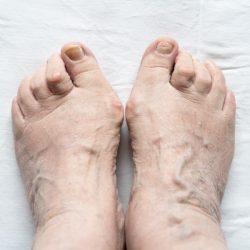
Claw toe is a deformity of the smaller toes where the toe bends upwards at the joint where it meets the foot, then downwards at the middle and end joints. The toe ends up in a claw shape, with the knuckle raised and the tip pressing into the sole of the shoe.

Claw toes often affect several toes at once, and sometimes both feet. They usually start out flexible, meaning the toe can still be straightened by hand. Over time the tendons and joints tighten and the toe can become rigid, staying fixed in the clawed position.
Claw toe vs hammer toe

Claw toes and hammer toes look similar, but they affect different joints and often have different causes.

Feature Claw toe Hammer toe
Joints affected Bends up at the base joint, and down at the middle and end joints Bends down at the middle joint only
Toes involved Often several toes, sometimes both feet Usually one toe, most often the second
Common causes Nerve or muscle conditions, high arches, diabetes, inflammatory arthritis Tight or narrow footwear, bunions, a long second toe
Where corns form Tops of the toes, tips of the toes and under the ball of the foot Top of the bent middle joint

A third type, mallet toe, bends down at the end joint only. Your podiatrist will check which joints are involved, as this guides treatment.

What causes claw toes?

Muscle imbalance

Your toes are held straight by a balance between the long muscles in the lower leg and the small muscles inside the foot. When the small muscles in the foot weaken, the long muscles take over and pull the toes into a claw. Over time, the tendons and joint capsules tighten and hold the toe in that position.

Nerve and muscle conditions

Because muscle balance is controlled by the nerves, conditions that affect the nerves or muscles are a common cause. These include:

  • Diabetes, where nerve damage (neuropathy) weakens the small muscles of the foot
  • Charcot-Marie-Tooth disease, an inherited nerve condition often linked with high arches and claw toes
  • Stroke, cerebral palsy and spinal conditions, which affect muscle control
High arches

A high-arched foot changes the pull of the tendons on the toes and is closely linked to claw toes.

Inflammatory arthritis

Rheumatoid arthritis can damage the joints and ligaments at the base of the toes, allowing them to drift and claw.

Footwear and injury

Shoes that are too short, narrow or high-heeled cram the toes and can make clawing worse. Injuries to the foot or ankle, including fractures or surgery, can also upset the balance of the muscles and tendons.

claw-1

Symptoms of claw toe

  • Toes that curl into a claw shape, either flexible or fixed
  • Corns on the tops of the toes, where they rub on shoes
  • Corns or calluses on the tips of the toes
  • Pain and callus under the ball of the foot, as the clawed toes push the fat pad forwards and leave the bones less cushioned
  • Difficulty finding shoes with enough room in the toes
  • Aching or discomfort when walking or standing for long periods

For people with diabetes or reduced sensation, pressure on the tips and tops of the toes can break down into ulcers without being felt. Regular checks are important. Read more about our diabetic foot care.

How is claw toe assessed?

Your podiatrist will:

  • Check whether each toe is flexible or rigid
  • Identify which joints are involved
  • Look at your foot shape, including arch height and any bunions
  • Check sensation, circulation and muscle strength, to look for an underlying nerve or muscle cause
  • Check for corns, calluses and pressure areas at risk of breaking down
  • Review your footwear

If several toes have started clawing without an obvious reason, or the problem is getting worse, we may recommend a review with your GP to look for an underlying cause.

Treatment for claw toe

Treatment aims to relieve pressure, protect the skin, keep the toes flexible and stop the deformity from getting worse.

Footwear changes

The most important first step. Look for shoes with a deep, wide toe box, a soft upper with no seams over the toes, and a low heel. Laces or straps help keep the foot from sliding forwards into the toes.

Padding and splinting

Silicone toe props, sleeves and crest pads cushion the tops and tips of the toes and take pressure off corns. For flexible claw toes, splints and taping can help hold the toes in a straighter position.

Corn and callus care

Removing corns and callus from the toes and ball of the foot gives immediate relief and lowers the risk of skin breakdown.

Custom orthotics

Custom orthotics can offload the ball of the foot, support the arch and reduce pressure on painful areas. They’re especially useful when claw toes come with high arches or forefoot pain.

Exercises

For flexible claw toes, exercises that strengthen the small muscles of the foot and stretch the toes can help maintain flexibility and slow progression. We’ll show you a short home programme suited to your feet.

Surgical referral

If claw toes have become rigid and painful despite good footwear and padding, we can refer you to an orthopaedic surgeon. Options include releasing or lengthening tight tendons, transferring a tendon to straighten the toe, or fusing the middle toe joint.

Can claw toes be reversed?

Flexible claw toes can often be improved, or at least kept from getting worse, with footwear, splinting and exercises. Once a claw toe has become rigid, it can’t be straightened without surgery, but the pain and pressure it causes can usually be managed well with padding, footwear and orthotics. This is why early assessment makes such a difference.

When to see a podiatrist

Book an assessment if you notice:

  • Toes starting to curl, even if they’re not painful yet
  • Corns on the tops or tips of your toes
  • Pain or callus under the ball of your foot
  • Toes becoming stiff or hard to straighten
  • Difficulty finding comfortable shoes
  • Any wound, blister or redness on a clawed toe, particularly if you have diabetes

Book an appointment

Our podiatrists see patients from across the Central Coast, including Gosford, Wyoming, Erina, Terrigal and Green Point. Whether your toes are just starting to curl or have been painful for years, we can help you find relief. Book an appointment online or call us on 02 4325 0600. You can also read about other structural foot deformities we treat.

We Accept Patients from all over the Central Coast

If you are in East Gosford and surrounding suburbs and are in need of a Podiatry appointment due to lower limb or feet issues you may need orthotics. Please contact our clinic on (02) 4325 0600

This field is for validation purposes and should be left unchanged.
(02) 4325 0600